
What Permits Are Required for Home Remodeling in Maryland in 2026?
Before starting any remodeling project, Maryland homeowners must understand local permit requirements. Permits protect homeowners by ensuring projects meet safety, zoning, and building code standards. In 2026, permitting remains a critical step for home renovations throughout Maryland, especially in Baltimore County and surrounding areas.
Failing to secure proper permits can lead to fines, project delays, or complications when selling a home. Below is a clear breakdown of what Maryland homeowners should expect.
1. When a Remodeling Permit Is Required
Most structural, mechanical, or system-altering projects require permits. This includes additions, kitchen remodels, bathroom renovations, basement finishing, and any project involving electrical, plumbing, or HVAC work.
2. Structural Remodeling Permits
Any change that affects load-bearing walls, foundations, roofs, or framing requires a building permit. Structural permits ensure your home remains safe and compliant with Maryland building codes.
3. Electrical Permits
Electrical permits are required for panel upgrades, new circuits, lighting changes, and wiring modifications. Electrical inspections verify that work meets safety standards.
4. Plumbing Permits
Plumbing permits are required for new fixtures, bathroom additions, kitchen remodels, water heater changes, and sewer or water line modifications.
5. HVAC Permits
Heating, cooling, and ventilation upgrades require permits to confirm proper system sizing, airflow, and energy efficiency compliance.
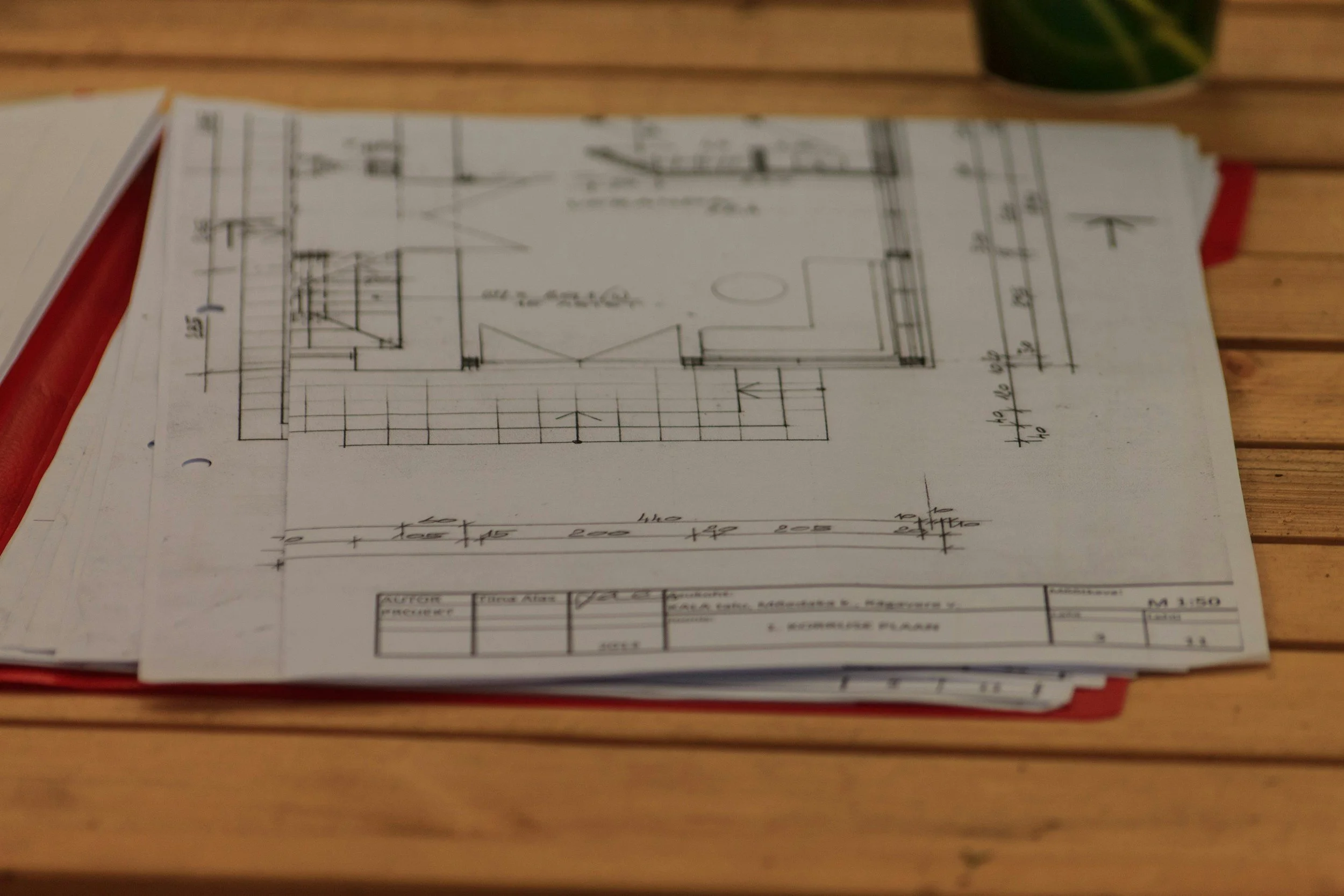
Permitting Homes
6. Zoning and Setback Approvals
Some projects, especially additions and garages, require zoning approval to ensure they meet setback, height, and lot coverage requirements.
7. Permit Requirements in Baltimore County
Baltimore County has specific submission, review, and inspection processes. Plans must meet county standards, and inspections occur at multiple project stages.
8. Historic District Considerations
Homes located in historic or protected areas may require additional approvals before remodeling can begin.
9. Inspections During Construction
Permitted projects require inspections throughout construction. These inspections verify safety, code compliance, and workmanship quality.
10. Who Is Responsible for Pulling Permits
In most cases, licensed contractors handle permit applications and inspections. Homeowners should always confirm permits are in place before work begins.
Why Permits Matter for Maryland Homeowners
Proper permits protect homeowners, improve resale value, and ensure projects are completed safely and legally. Working with an experienced builder simplifies the permitting process and prevents costly mistakes.
Lilmac Builders manages permits and inspections for homeowners throughout Parkton, Baltimore County, and Northern Maryland, ensuring projects move forward smoothly and compliantly.
