
Energy-Efficient Building Upgrades Maryland Homeowners Should Consider in 2025
Energy efficiency is a top priority for Maryland homeowners in 2025. Beyond saving money on utility bills, energy-efficient homes provide better comfort, improved indoor air quality, and increased resale value. Whether you’re remodeling or building new, these upgrades are worth considering.
1. High-Performance Insulation
Upgrading to spray foam, blown-in, or high-quality batt insulation keeps your home warmer in winter and cooler in summer, reducing energy consumption.
2. Energy-Efficient Windows and Doors
Double- or triple-pane windows with low-E coatings minimize heat loss and help maintain consistent indoor temperatures. Energy-efficient doors complement the overall insulation of your home.
3. Modern HVAC Systems
High-efficiency heating, ventilation, and air conditioning systems reduce energy use and improve indoor comfort. Zoned systems and programmable thermostats allow precise temperature control.
4. LED Lighting Throughout the Home
LED bulbs use significantly less energy than traditional lighting and last longer, providing both cost savings and environmental benefits.
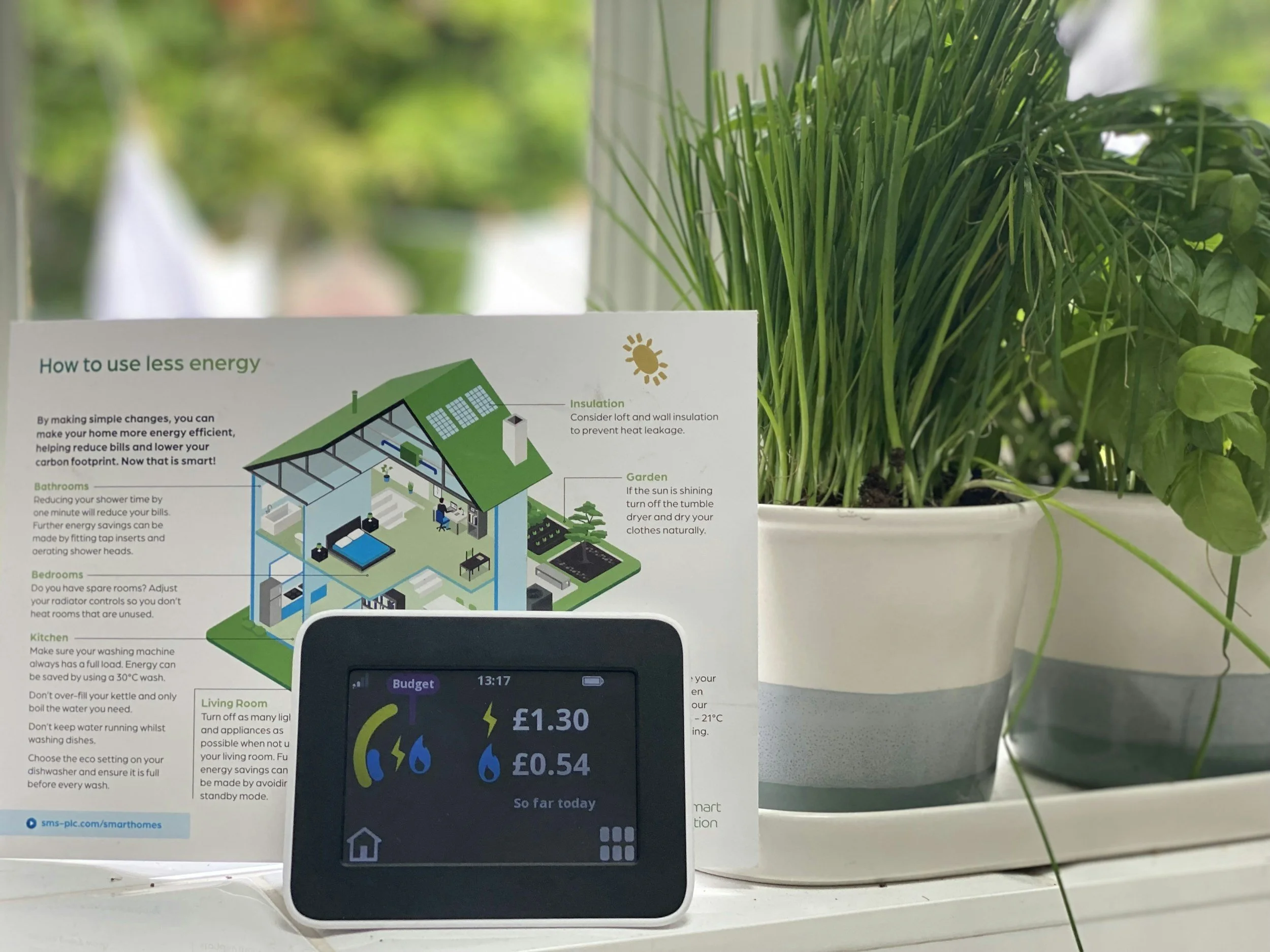
5. Smart Home Technology
Automated lighting, thermostats, and appliances optimize energy use based on patterns and occupancy, making your home more efficient without requiring constant attention.
6. Solar Panels or Solar-Ready Roofing
Solar panels reduce reliance on the grid and can provide long-term savings on electricity costs. Even preparing your roof for future solar installation adds value.
7. Efficient Water Heating
Tankless water heaters or high-efficiency storage units lower energy use while providing consistent hot water for family needs.
8. Proper Ventilation and Air Sealing
Sealing gaps and improving ventilation improves indoor air quality and prevents energy waste, especially in older Maryland homes.
9. Energy Star Appliances
Selecting Energy Star-rated appliances ensures your home uses less electricity and water while maintaining high performance.
10. Sustainable Landscaping
Planting native species, installing drip irrigation, and using permeable hardscaping reduces water use and complements energy-efficient home design.
